CERN · 2014 – 2017
Beam Wire Scanner
ACC 2017
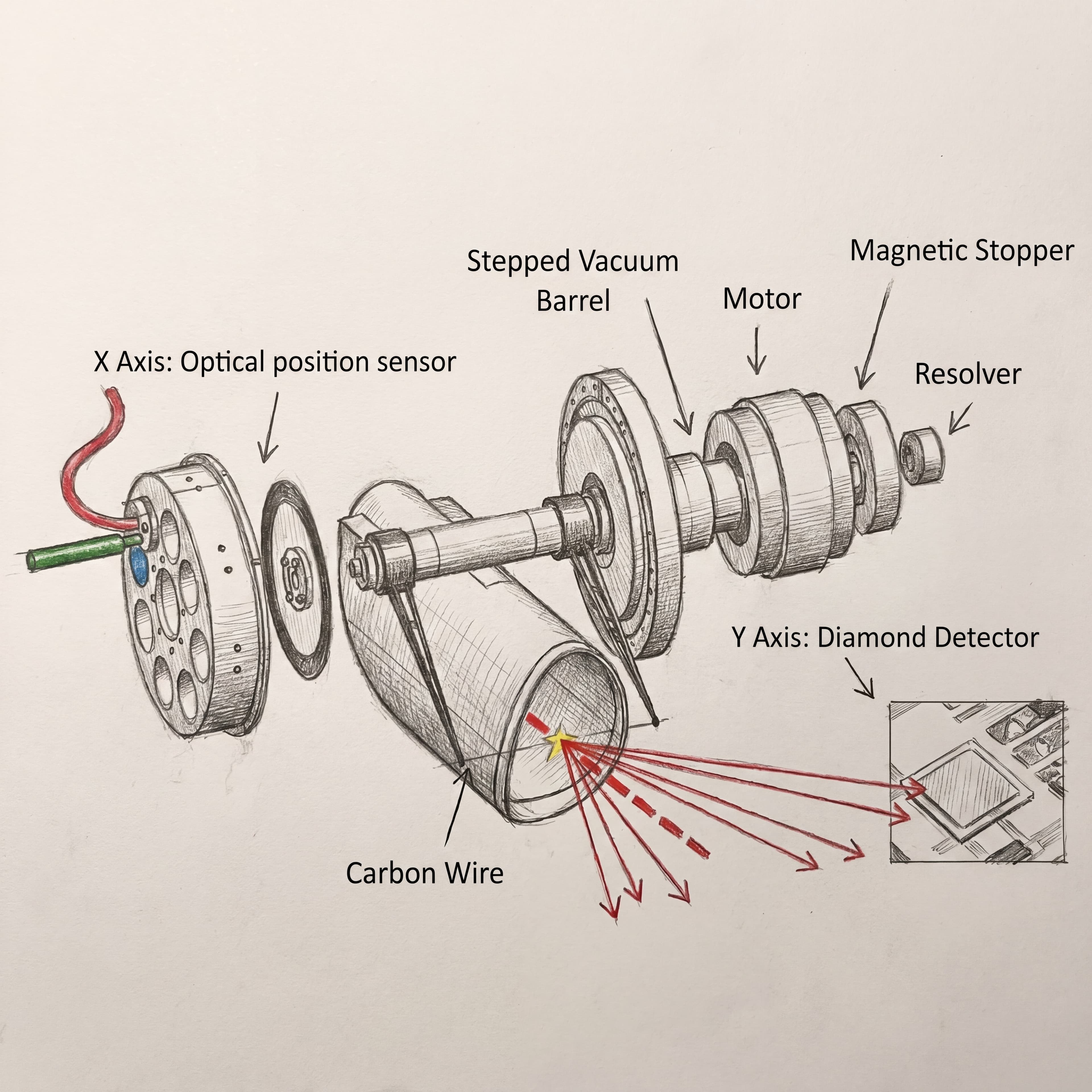
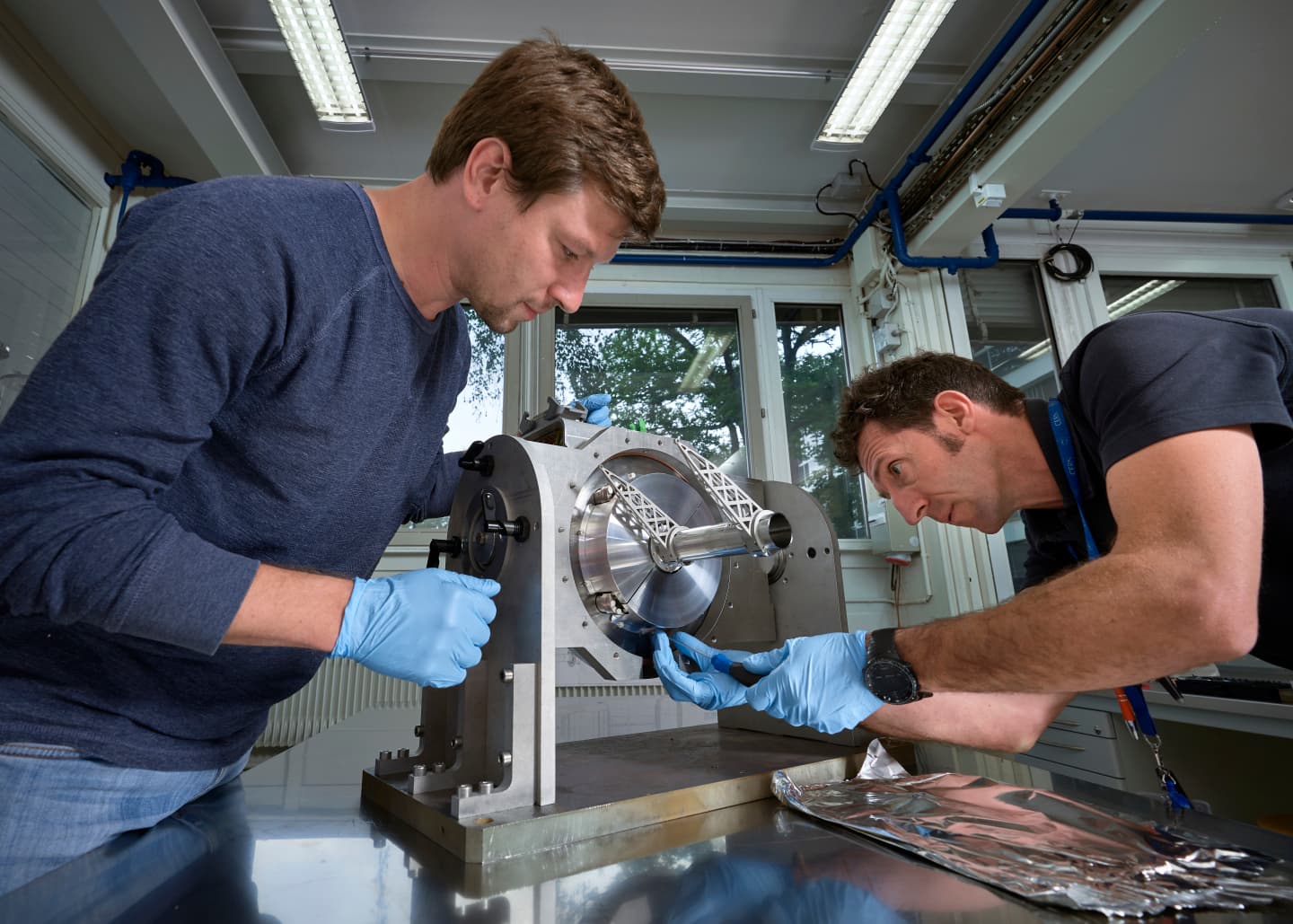
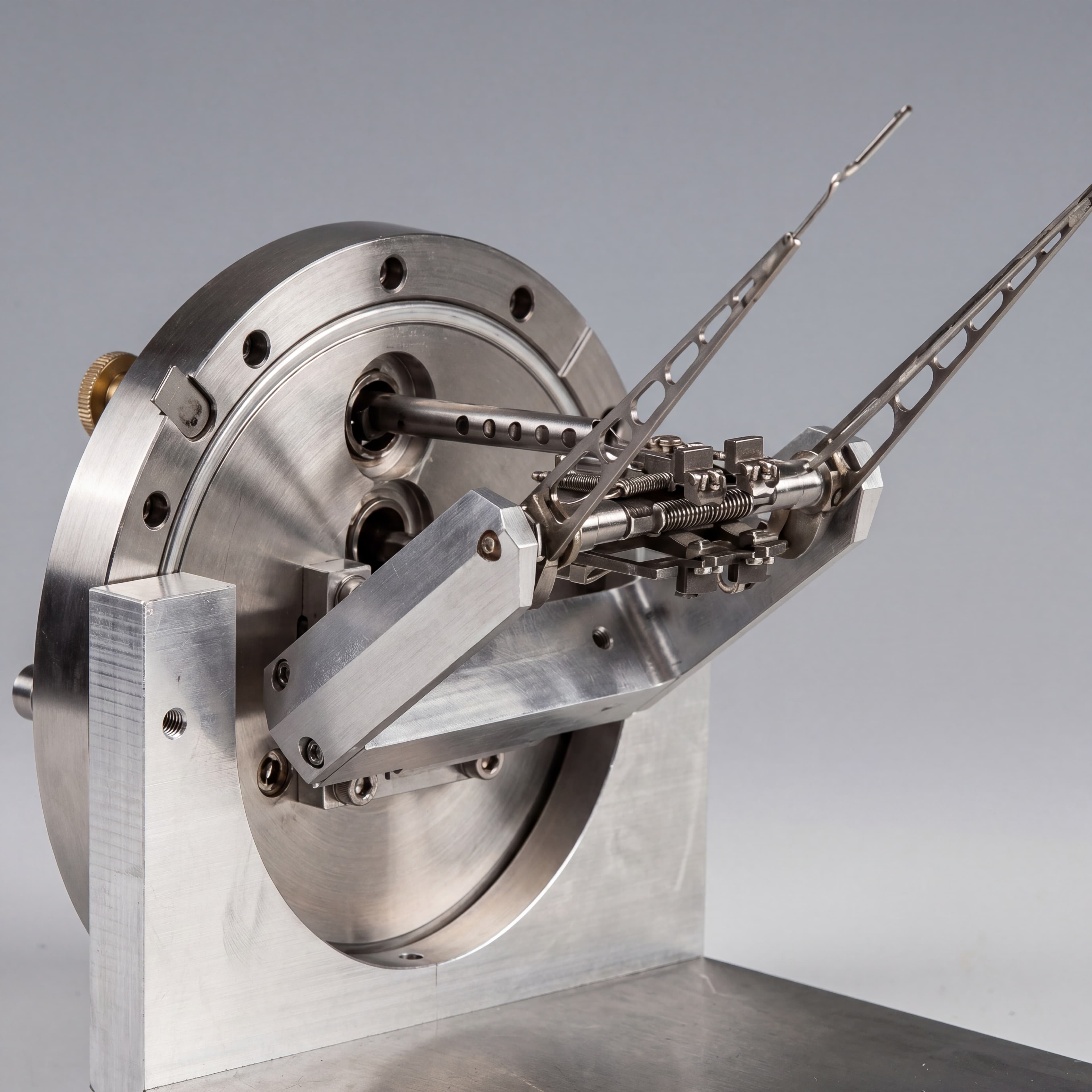
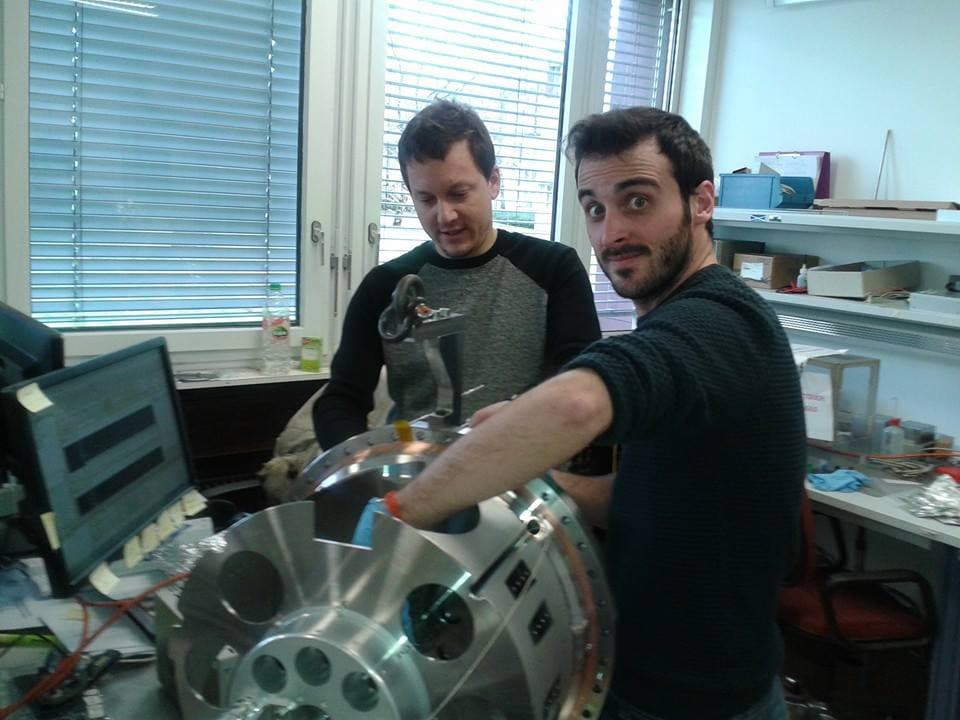
At the LHC, measuring a particle beam with micrometer precision while it travels at nearly the speed of light is one of the hardest instrumentation challenges in physics. The Beam Wire Scanner does exactly that — sweeping a thin wire across the beam to profile its transverse density — but the existing design couldn't keep up with LHC collision energies. A new generation was needed, capable of crossing speeds up to 20 m/s.
I designed the complete motion control system for this new scanner as part of my Master's thesis at CERN. The actuator of choice was a frameless Permanent Magnet Synchronous Motor (PMSM), which offered the required torque density but introduced significant control challenges: variable cable lengths, strict vibration limits on the wire, and hard real-time constraints across a wide operating range.
Starting from a first-principles dynamic model of the full mechanical and electrical system, I designed a Field Oriented Control (FOC) architecture augmented with variable-structure regulators, a Kalman filter for state estimation, and feedforward actions for disturbance rejection. The controller was implemented in VHDL and deployed on an FPGA board.
After lab validation on a hardware prototype, the system was tested on-site at CERN — and the new Beam Wire Scanner achieved nominal operation for the first time. The work was published at the American Control Conference 2017.