CERN · 2014 – 2017
Superconducting Wire Analysis
IEEE Trans. Appl. Supercond. 2016
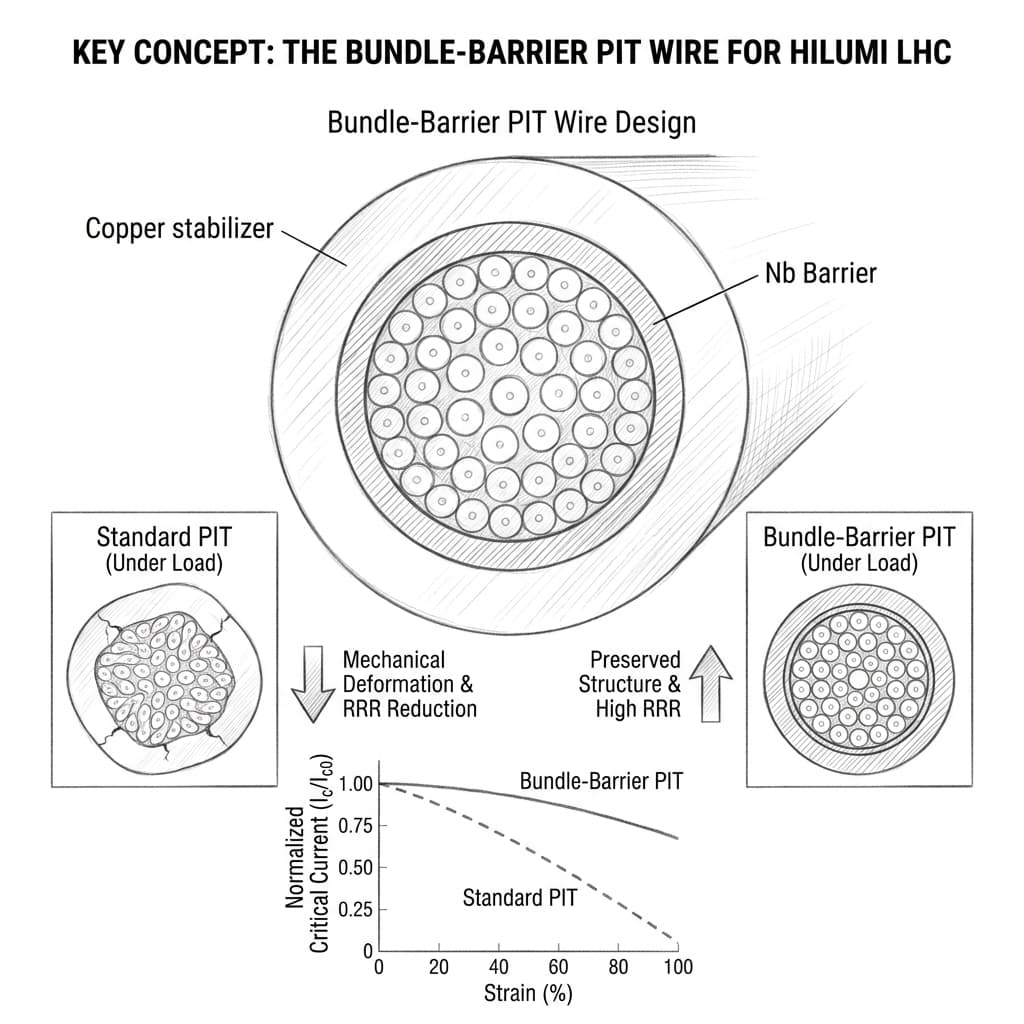
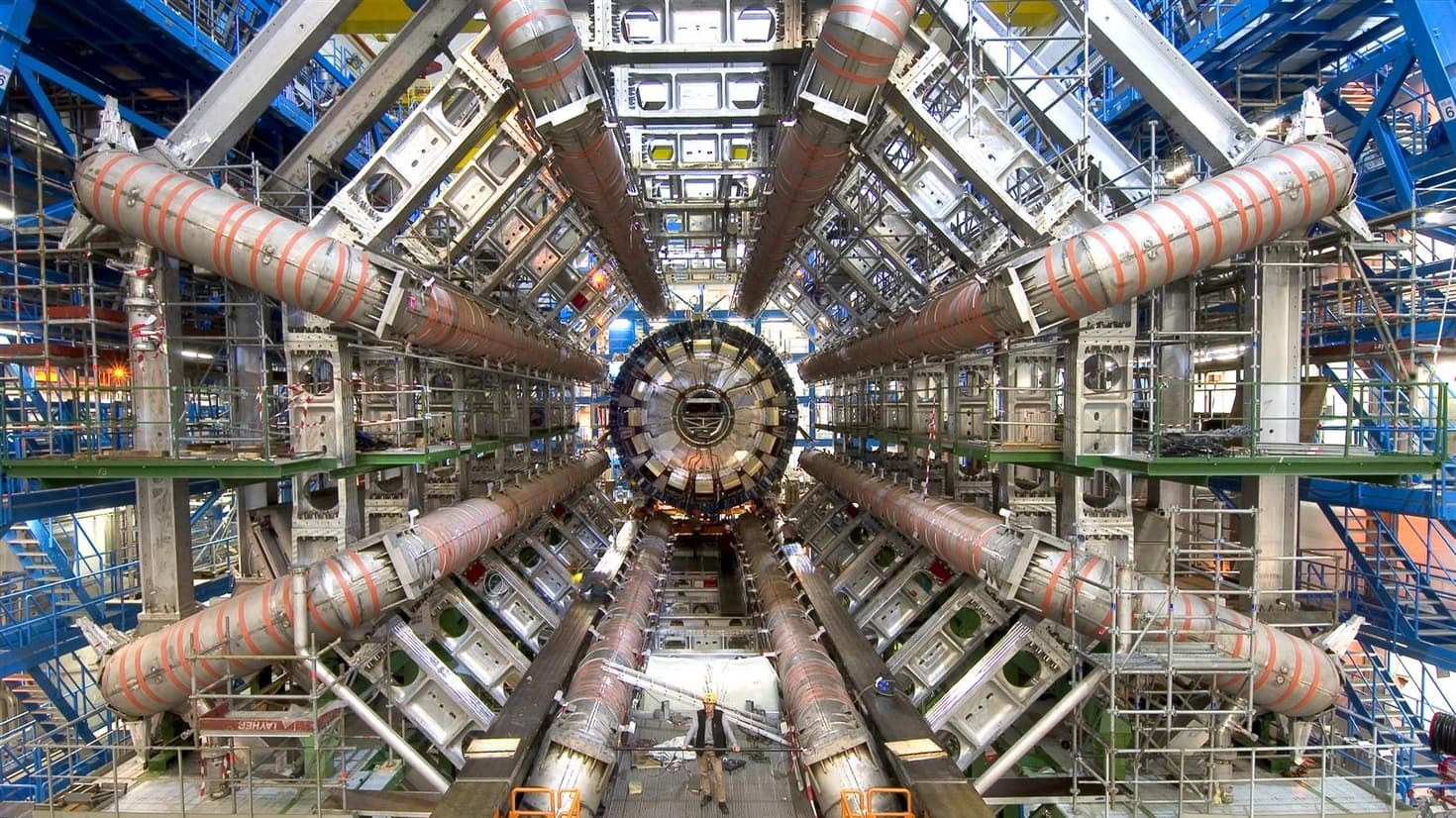
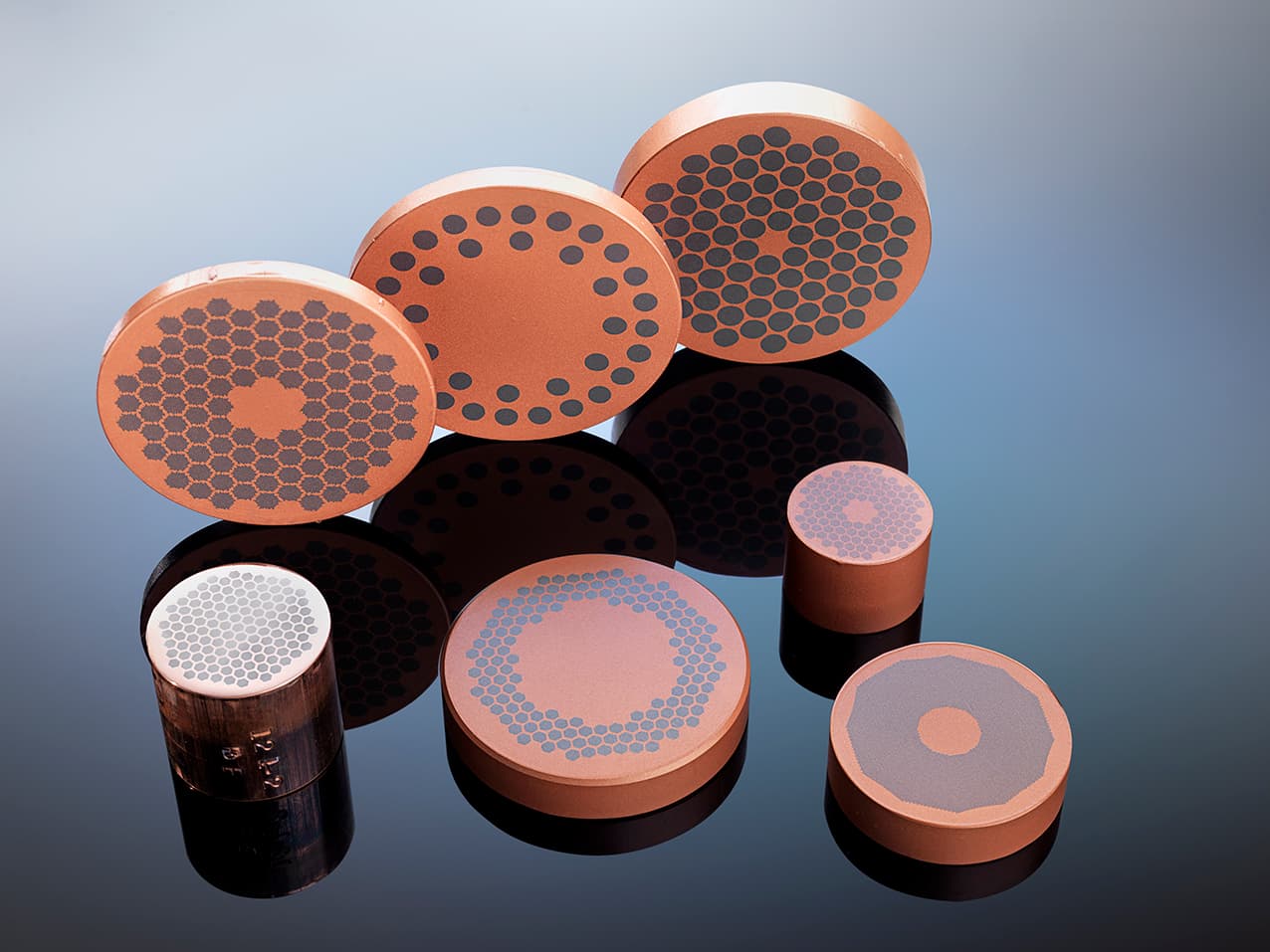
The High-Luminosity LHC upgrade will increase the collision rate tenfold, demanding superconducting magnets far beyond anything previously built. At their core are PIT (Powder-in-Tube) niobium-tin wires — a new conductor technology with exceptional current-carrying capacity, but one that requires exhaustive characterisation before it can be trusted at scale.
At CERN's magnet group, I built the data acquisition and analysis pipeline used to qualify these wires. The system automated the measurement of critical parameters — critical current, residual resistivity ratio, and filament geometry — across hundreds of wire samples, turning a manual and error-prone process into a reproducible quality-control workflow.
The software integrated with lab instrumentation, flagged out-of-spec samples early in the production chain, and generated structured reports used directly by the engineering teams responsible for magnet procurement. The analysis contributed to the publication of the bundle-barrier PIT wire specifications in IEEE Transactions on Applied Superconductivity 2016.